

Para materiales en español, busque abajo.
Oregon Coastal Hazards
We help coastal communities prepare for flooding, tsunamis and other natural hazards.
The Oregon Coastal Hazards Ready (OCHR) Library and Mapper is an ArcGIS StoryMap created and managed by Oregon Sea Grant that displays coastal hazards preparedness case studies. This tool is designed to assist individuals, communities, and tribal and local governments as they identify approaches to prepare for acute and chronic coastal hazards.
Subscribe to the OCHR Mapper listserv to receive the monthly Pacific Northwest Coastal Hazards Resources Newsletter.
Follow the photo links below to learn about tsunamis, flooding, coastal erosion and landslides on the Oregon coast.


Community Resources

DIVE4OL App
Distant, Immersive, Virtual Education for Ocean Literacy.
This project brings Pacific Northwest middle and high school youth opportunities to explore topics on earthquakes and tsunamis through virtual reality and other online activities. The content can be accessed using your phone or a virtual reality headset. The project was completed by Oregon Sea Grant and OSU Precollege Programs DIVE thanks to an award from the National Oceanic and Atmospheric Administration's National Sea Grant College Program, U.S. Department of Commerce, and appropriations made by the Oregon State Legislature.

OSU Extension Emergency Preparedness Resources
Oregon State University Extension Service has developed a comprehensive group of resources in english and spanish to help you prepare for and navigate emergencies and natural disasters. Access these resources in english. Recursos para Prepararse para Emergencias.
The general overview guide for preparing for a Cascadia disaster event is:
Cascadia Action Steps: It’s Time to Get Ready
Medidas de Acción de Cascadia: Es Hora de Prepararnos
Free, self-guided online training program on preparing for the Cascadia Subduction Zone event.
YouTube Videos
These videos are products of the Cascadia CoPes Hub, a team of researchers who aim to help coastal communities prepare for and adapt to earthquakes, tsunamis, sea level rise, landslides, erosion, and climate change. Many thanks to the community-based organization Consejo Hispano, OSU’s Clatsop County Extension Service Office, Jenna Tilt, Josh Blockstein, Kim Kenny, Irene Pablo-Lora, and Clatsop County residents Briseida Alcantar, Naty Márquez and Angel Márquez, and our own Felicia Olmeta Schult, who was the executive producer.


Publications


Erosion Control Practices of the Oregon Coast Guidebook
This guidebook provides a comprehensive overview of erosion control practices, such as rip-rap, cobble berms, seawalls, and their regulation on the Oregon coast. This book is meant for coastal planners, scientists, consultants, engineers and the coastal community. The guidebook was created by Hailey Bond during her Oregon Sea Grant Natural Resource Policy Fellowship and published by the Oregon Department of Land Conservation and Development.
Earthquake & Tsunami Community Disaster Cache Planning Guide
A community disaster cache is a stock of supplies designed to support a local population in its response to a disaster. This guide goes through the design, implementation, maintenance, and deployment steps needed to develop a successful and sustainable cache. This guide was published by the Oregon Department of Geology and Mineral Industries and the Oregon Department of Emergency Management.
Oregon Tsunami Evacuation Maps & Resources
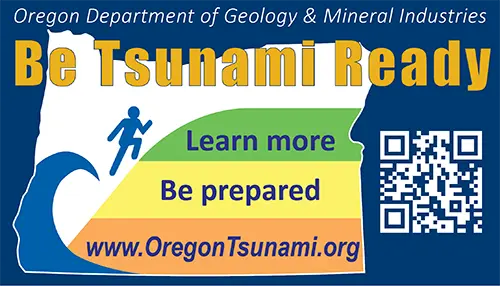
Get Your Oregon Coast Tsunami Evacuation Map and explore the NVS Online Tsunami Evacuation Zone Viewer
Research Hubs
Feature Stories
Videos
-
Coastal Development - A playlist of 5 videos, including:
Websites
Felicia Olmeta Schult,
Oregon Sea Grant Extension Coastal Hazards Specialist
Felicia Olmeta Schult is the Oregon Sea Grant Extension Coastal Hazards Specialist. She works with community partners to increase the resilience of Oregon coastal communities to the impacts of climate change and natural hazards (e.g., coastal erosion, earthquakes, and tsunamis). Prior to this position, she was the Oregon Sea Grant Resilience Fellow from January 2021 to June 2022.